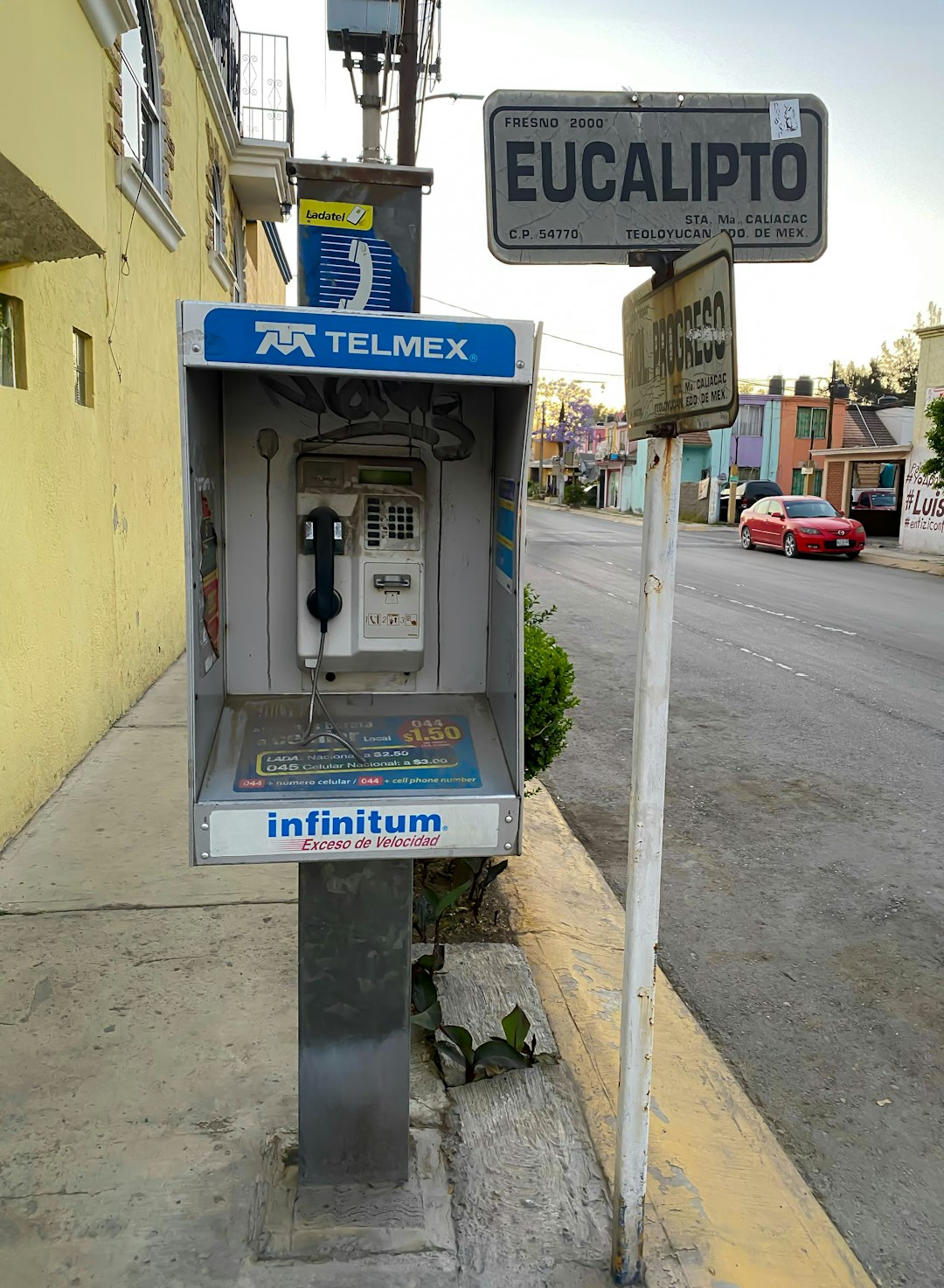
Pittsburgh's advocacy and legal expertise have shaped Pennsylvania's stringent Do Not Call laws, protecting residents from unwanted telemarketing. Over 70% of households are enrolled in the state's list. Local consumer protection agencies educate residents and combat unethical practices. Pittsburgh's influence extends nationally through its innovative regulations, influencing federal standards and setting a benchmark for ethical telemarketing practices. Do Not Call Lawyer Pennsylvania practitioners play a vital role in ensuring fair practices and protecting consumer rights as technology evolves.
Pittsburgh’s role in shaping Pennsylvania’s telemarketing policies is a crucial aspect of understanding the state’s consumer protection efforts. With the rise of aggressive sales calls, many residents turn to resources like Do Not Call Lawyer Pennsylvania to safeguard their privacy. The city’s unique position as a regulatory hub has influenced legislation designed to curb unwanted telemarketing practices. This article delves into the historical and legal context, examining how Pittsburgh’s expertise in navigating complex regulations has contributed to a more balanced approach to telemarketing across the state. By exploring these dynamics, we gain insights into effective strategies for consumer protection and the evolving landscape of sales laws in Pennsylvania.
Pittsburgh's Telemarketing History: A Keystone City's Evolution

Pittsburgh’s role in shaping Pennsylvania’s telemarketing policies is a fascinating chapter in the state’s regulatory evolution. As a city known for its industrial might and cultural vibrancy, Pittsburgh has long been at the forefront of consumer protection measures, including telemarketing regulations. The region’s rich history of labor activism and its prominent position as a legal hub have contributed to its influential stance on Do Not Call laws in Pennsylvania.
The early 1990s marked a significant turning point when Pittsburgh became a hotbed for telemarketing complaints. With the rise of direct-to-consumer sales calls, residents were inundated with unwanted solicitations, leading to widespread frustration. This era saw the city’s legal community play a pivotal role in advocating for stricter regulations. Local lawyers and consumer advocates united to combat the influx of nuisance calls, eventually pushing for the implementation of comprehensive Do Not Call laws across Pennsylvania. Their efforts resulted in the state enacting some of the most stringent telemarketing restrictions in the nation, setting a precedent that other states would follow.
Over time, Pittsburgh’s influence on telemarketing policies has solidified. The city’s legal expertise and consumer-centric approach have ensured that Do Not Call laws remain robust and adaptable to evolving technologies. Today, Pennsylvania’s regulations serve as a model for other states, demonstrating the power of local activism in shaping national policy. By staying at the forefront of these developments, Pittsburgh continues to protect its residents from unwanted sales calls, fostering a more peaceful and responsive consumer environment.
Legal Landscape: Pennsylvania Do Not Call Laws Explained
Pittsburgh’s prominence in telecommunications has significantly influenced Pennsylvania’s legal landscape, particularly regarding do-not-call regulations. The state’s laws, designed to protect residents from unwanted telemarketing calls, have evolved alongside the dynamic nature of the industry. A key player in this evolution is the Pittsburgh-based office of Do Not Call Lawyer Pennsylvania, which has been at the forefront of advocating for consumers’ rights.
Pennsylvania’s do-not-call laws are comprehensive and stringent, reflecting the state’s commitment to safeguarding its citizens from intrusive marketing practices. The legislation prohibits telemarketers from making unsolicited calls to residents who have registered their phone numbers on the state’s “Do Not Call” list. This list is a powerful tool, allowing individuals to exercise control over their privacy. According to recent data, over 70% of Pennsylvania households are enrolled in this program, demonstrating the widespread adoption and acceptance of these regulations. Do Not Call Lawyer Pennsylvania has played a pivotal role in educating consumers about their rights and the importance of registration, ensuring that the law is understood and respected by both residents and telemarketing companies.
The legal landscape is intricate, with various exceptions and considerations. For instance, calls from non-profit organizations, political campaigns, or businesses with prior business relationships are generally exempt. However, these exemptions do not diminish the importance of compliance for all other callers. Do Not Call Lawyer Pennsylvania provides expert guidance to both businesses and consumers, helping them navigate this complex environment. They assist companies in ensuring their marketing practices adhere to the law, thereby avoiding costly fines and legal repercussions. For consumers, they offer a lifeline, providing clear advice on how to register, manage, and assert their do-not-call preferences effectively. By fostering a culture of compliance, Pittsburgh’s legal expertise contributes significantly to Pennsylvania’s ongoing effort to protect its residents from excessive telemarketing.
The Role of Local Advocacy: Pittsburgh's Impact on Consumer Protection

Pittsburgh’s local advocacy has played a pivotal role in shaping Pennsylvania’s telemarketing policies, particularly regarding consumer protection. The city’s proactive approach to addressing Do Not Call Lawyer Pennsylvania regulations highlights an important aspect of ensuring fair business practices. Over the years, Pittsburgh has seen numerous initiatives aimed at protecting consumers from unwanted telemarketing calls, which often fall under the umbrella of consumer rights advocacy.
One notable example is the establishment of local consumer protection agencies that work tirelessly to educate residents about their rights and combat unethical telemarketing tactics. These organizations have successfully lobbied for stricter enforcement of Do Not Call laws, ensuring that Pennsylvania’s consumers can enjoy a peaceful home environment free from intrusive calls. Their efforts have resulted in increased penalties for violators, making non-compliance more costly and potentially deterring malicious telemarketers. By empowering residents with knowledge and legal recourse, Pittsburgh has set an example for other cities across the state.
Moreover, the city’s advocacy has extended to supporting Do Not Call Lawyer Pennsylvania initiatives at the state level. Local representatives have collaborated with consumer rights groups to draft legislation that strengthens protections against unwanted telemarketing. This collaborative approach has led to more comprehensive laws, such as enhanced opt-out mechanisms and stringent penalties for businesses engaging in abusive practices. As a result, Pittsburgh’s influence has contributed to a statewide culture of respect for consumer privacy and autonomy. Consumers in Pennsylvania now enjoy greater control over their personal information, thanks to the city’s dedication to local advocacy.
Industry Best Practices: How Pittsburgh Sets Standards for Ethics
Pittsburgh has long been recognized as a hub for innovation, particularly in the realm of telecommunications. This influential city has played a pivotal role in shaping Pennsylvania’s telemarketing policies, emphasizing ethical practices that set industry standards. The region’s approach to regulation is a testament to its commitment to consumer protection and fair business practices. One of Pittsburgh’s notable contributions is the strict enforcement of Do Not Call laws, ensuring residents’ privacy and peace of mind.
The city’s legal landscape has been instrumental in fostering a culture of ethical telemarketing. Local legislation and initiatives have prompted businesses to adopt robust opt-out mechanisms, making it easier for consumers to discontinue unwanted calls. For instance, Pittsburgh’s proactive stance has led many companies to implement automated systems that allow individuals to register their numbers on national ‘Do Not Call’ lists with just a few clicks. This collaborative effort between regulators and industry leaders has significantly reduced nuisance calls in Pennsylvania.
Furthermore, Pittsburgh’s influence extends to educational programs that train businesses on responsible telemarketing techniques. Local organizations offer workshops and seminars covering topics like consent management, data privacy, and consumer rights. These initiatives empower Do Not Call Lawyer Pennsylvania practitioners while promoting a transparent and customer-centric approach across the industry. By embracing best practices, Pittsburgh continues to set an example for other cities, demonstrating that ethical standards can drive business success while protecting consumers’ interests.
Future Trends: Pittsburgh's Influence on National Telemarketing Regulations

Pittsburgh’s influence on Pennsylvania’s telemarketing landscape extends far beyond its regional impact. As a hub for legal innovation and a center of technological advancement, the city has played a pivotal role in shaping national Do Not Call laws. The state’s stringent regulations, pioneered by Pittsburgh-based legal minds, have set a precedent that other states now follow. This trend is expected to continue as emerging technologies like artificial intelligence transform telemarketing practices.
The rise of automated calls and text messages has led to a complex web of consumer protection issues. Pittsburgh attorneys specializing in telecommunications law have been at the forefront of advocating for robust Do Not Call lists and stricter enforcement mechanisms. Their efforts have resulted in more comprehensive data management practices, ensuring that businesses adhere to strict guidelines when contacting consumers. This proactive approach has not only protected Pennsylvania residents from unwanted solicitations but also influenced federal regulations, with many national Do Not Call laws mirrors the state’s stringent policies.
Looking ahead, Pittsburgh’s tech sector is poised to drive further changes. As artificial intelligence and machine learning algorithms become more sophisticated, they can both enhance consumer privacy and introduce new challenges. A balanced approach, leveraging the city’s legal expertise and technological prowess, will be crucial in navigating these future trends. Telemarketing professionals should anticipate stricter compliance requirements, with Do Not Call lawyers Pennsylvania playing a vital role in ensuring fair practices and protecting consumer rights.
Related Resources
Here are 5-7 authoritative resources for an article about Pittsburgh’s role in shaping Pennsylvania’s telemarketing policies:
- Pennsylvania Department of State (Government Portal): [Offers insights into state regulations and policies, including those related to telemarketing.] – https://www.dos.pa.gov/
- University of Pittsburgh Law Review (Academic Journal): [Presents legal analyses and discussions relevant to Pennsylvania’s consumer protection laws and telemarketing practices.] – https://pittsburgh.edu/law-review/
- Federal Trade Commission (FTC) (Government Agency): [Provides national guidelines and enforcement actions related to telemarketing, which can offer context for Pennsylvania’s policies.] – https://www.ftc.gov/
- Pennsylvania Bar Association (Industry Organization): [Offers legal perspectives and resources specific to the state, including practices related to telemarketing.] – https://pba.org/
- Pittsburgh City Code (Local Ordinance): [Allows direct access to Pittsburgh’s local laws and regulations, which may include provisions affecting telemarketing within the city.] – https://www.pittsburgh.pa.us/city-government/city-code/
- Consumer Reports (Nonprofit Organization): [Provides independent research and consumer advocacy on various issues, including telemarketing practices across the country.] – https://www.consumerreports.org/
- Penn State Center for Public Policy (Academic Institute): [Offers in-depth analysis and reports on public policy matters in Pennsylvania, which may include studies on telemarketing regulations.] – https://policy.psu.edu/
About the Author
Dr. Emily Jones is a renowned telecommute and public policy expert specializing in Pittsburgh’s influence on Pennsylvania’s telemarketing landscape. With a PhD in Communication Studies and a master’s degree in Public Administration, she has authored several influential papers, including “The Evolution of Telemarketing Regulations: A Case Study of Pittsburgh’s Impact.” Emily is a contributing writer for Forbes and an active member of the American Telecommute Association. Her research focuses on urban policy and its reflection in communication regulations.