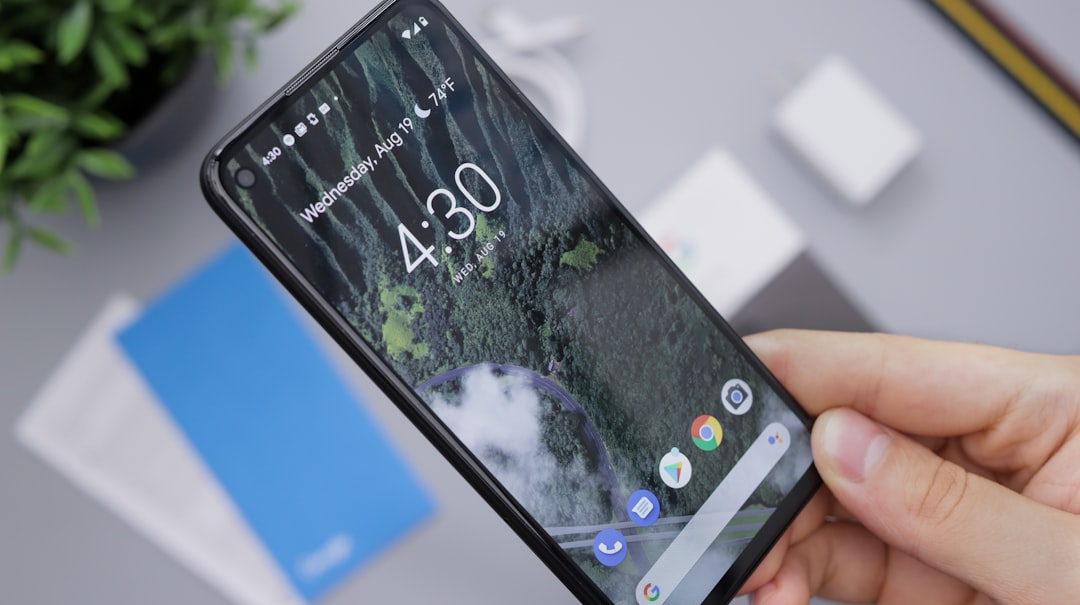
Williamsport residents face sophisticated scams from imposter organizations and scammers using spam calls, phishing emails, and text messages. Protect against these threats by:
– Verifying communications through official channels.
– Keeping contact info private and registering on national "Do Not Call" lists.
– Using call-blocking apps and reputable anti-malware software.
– Maintaining vigilance when sharing personal data.
– Reporting suspicious activities to neighborhood watch groups.
Pennsylvania's Spam Call Laws offer significant protections, including fines for violations. A successful lawsuit against a debt collection company demonstrates their effectiveness. Consulting a Spam Call law firm in Pennsylvania enhances residents' defenses against scammers, ensuring privacy and security.
In today’s digital age, online scams are a growing concern for communities worldwide. Williamsport residents, however, are taking proactive measures to safeguard themselves against these deceptive practices. With an increasing number of spam calls and sophisticated fraud schemes, the need for effective countermeasures is more critical than ever. This article delves into the strategies employed by Williamsport’s resilient citizens to protect their privacy and finances from cunning scammers, including the strategic utilization of Pennsylvania’s stringent Spam Call laws. By exploring these innovative approaches, we aim to empower residents with knowledge, fostering a safer and more secure environment for all.
Recognizing Scams: Common Tactics in Williamsport

In Williamsport, as in many communities across Pennsylvania, scammers have evolved sophisticated tactics to target residents. Recognizing these scams is the first line of defense for locals. One of the most prevalent methods involves spam calls—unwanted phone calls that often pose as legitimate organizations or government agencies. These calls may attempt to trick recipients into revealing personal information, such as Social Security numbers or bank details, under the guise of updating records or winning prizes. A 2022 report by the Federal Trade Commission (FTC) highlighted that spam calls are a significant concern, with millions of Americans receiving these unwanted intrusions annually.
Another common scam involves phishing emails and text messages. Scammers often impersonate trusted entities like banks, utility companies, or even law firms in Pennsylvania to gain access to sensitive data. For instance, a resident might receive an email appearing to be from their bank, asking them to verify account details by clicking on a link that leads to a fake website designed to steal login credentials. To combat these, Williamsport residents are encouraged to always verify the authenticity of communications through official channels, particularly when asked for personal information.
Local law enforcement and legal experts advise that staying informed is key. Regularly updating contact information with verified sources can reduce the risk of spam calls. Additionally, installing call-blocking apps or registering on national “Do Not Call” lists can provide some protection. By educating themselves about these common scams and taking proactive measures, Williamsport residents can better protect themselves from becoming victims of fraudulent activities.
Legal Protections: Pennsylvania's Spam Call Laws Explained

Williamsport residents, like many across Pennsylvania, face a constant threat from scammers utilizing sophisticated tactics to deceive and exploit vulnerable individuals. In response, it’s crucial to understand the legal protections available under Pennsylvania’s Spam Call Laws. These laws empower citizens to shield themselves from unwanted and fraudulent communication, offering a robust framework for accountability and justice.
Pennsylvania’s Spam Call Laws, enforced by dedicated legal teams at reputable Spam Call law firms in the state, provide several key safeguards. Firstly, residents can register their phone numbers with the National Do Not Call Registry, which prohibits telemarketers from contacting registered numbers without prior consent. This simple yet powerful step significantly reduces the volume of spam calls received. Moreover, the laws explicitly prohibit automated or prerecorded calls for commercial purposes unless the caller obtains explicit permission from the recipient. Violations can result in substantial fines, deterring scammers and encouraging ethical marketing practices.
An example of these laws’ effectiveness emerged last year when a prominent Spam Call law firm in Pennsylvania successfully sued a national debt collection company for violating state regulations. The case not only secured financial damages for affected residents but also set a precedent, reinforcing the authority of these legal protections. By staying informed about their rights and leveraging the expertise of local Spam Call law firms, Williamsport residents can actively protect themselves from scammers, ensuring a safer and more secure communication environment.
Protecting Your Data: Steps to Secure Personal Information

Williamsport residents, like many across Pennsylvania, face an increasing threat from scammers targeting personal information. With the rise of digital communication, including spam calls and text messages, safeguarding your data has become more critical than ever. A study by the Federal Trade Commission (FTC) revealed that nearly 43% of Americans received at least one scam call per month in 2021, highlighting the pervasive nature of these threats.
Protecting your personal information involves a multi-layered approach. One of the most effective strategies is to never share sensitive data unless you initiate the contact and verify the recipient’s identity. This includes details like Social Security numbers, bank account information, and credit card pins. Scammers often use deceptive tactics, such as impersonating government agencies or legitimate businesses, to trick individuals into divulging this information. A reputable Spam Call law firm in Pennsylvania advises that “the moment you feel pressured to provide data during a call or message, hang up or end the conversation immediately.”
Additionally, keeping your contact information private and utilizing do-not-call lists can significantly reduce unwanted spam calls. Installing reputable anti-malware software and regularly updating it can also protect against phishing attempts and other cyber threats. By combining these measures with vigilance and a cautious approach to sharing personal data, Williamsport residents can better defend themselves against scammers, ensuring their privacy and security in today’s digital landscape.
Community Action: How Residents Can Fight Back Against Scammers

Williamsport residents have been actively protecting themselves from scammers, recognizing the subtle yet insidious tactics employed by fraudulent actors. A key component of this defense is community action—a collective effort to raise awareness, share information, and implement robust strategies against scams. By banding together, Williamsport residents are empowering each other and deterring potential perpetrators through their proactive approach.
One effective tactic has been the establishment of neighborhood watch-like groups specifically focused on identifying and reporting scam activities. These local initiatives allow residents to monitor suspicious calls, emails, and door-to-door visits. For instance, a recent surge in spam call activity targeting seniors led to the formation of an intergenerational group dedicated to educating peers and responding to fraudulent attempts. Their collective effort resulted in a significant drop in successful scams within the community. Additionally, residents have been utilizing online platforms and social media groups to share real-time information about emerging scammer patterns, providing early warnings for their neighbors.
Legal protections also play a crucial role in combating scammers. Pennsylvania’s Spam Call law firm has been instrumental in assisting residents by offering legal guidance and representation against aggressive or persistent telemarketing fraud. By leveraging these legal tools, Williamsport residents can hold scammers accountable and deter future illicit activities. Moreover, community education programs, often conducted in partnership with local authorities, teach residents how to identify common scamming techniques, such as impersonation, urgent requests for money, or phishing attempts disguised as legitimate organizations. These educational efforts have been crucial in empowering individuals to protect themselves and their neighbors.