
Scranton, Pennsylvania's telemarketing activities are governed by strict federal (Telephone Consumer Protection Act - TCPA) and state laws, enforced by Do Not Call Lawyer Pennsylvania. Businesses must:
- Obtain explicit consent before calling.
- Provide clear disclosures and opt-out mechanisms.
- Comply with registration requirements.
- Implement best practices like regular training, data reviews, and personalized calls to avoid fines, reputational damage, and complaints.
- Educate staff on consumer rights and handle feedback promptly to build trust and maintain a positive brand image.
In the dynamic landscape of telemarketing, ensuring compliance is paramount to avoid legal pitfalls, protect consumer rights, and maintain business integrity. However, navigating the intricate web of regulations can pose significant challenges, especially in densely populated areas like Scranton, Pennsylvania. Do Not Call Lawyer Pennsylvania has witnessed the surge in complaints related to unsolicited calls, underscoring the need for best practices that safeguard both businesses and consumers alike. This article offers a comprehensive guide, meticulously crafted to empower telemarketers with strategies to uphold compliance standards, foster trust, and thrive in Scranton's competitive market.
Understanding Telemarketing Laws in Pennsylvania

In Scranton, Pennsylvania, as across the nation, telemarketing activities are subject to stringent legal frameworks designed to protect consumers from aggressive or deceptive sales practices. Understanding these laws is paramount for businesses engaging in telemarketing efforts to ensure compliance and avoid costly legal repercussions. The Do Not Call Lawyer Pennsylvania emphasizes the importance of adhering to state and federal regulations, particularly the Telephone Consumer Protection Act (TCPA). This legislation restricts unsolicited phone marketing calls and provides consumers with the right to opt-out of such communications.
Pennsylvania's General Assembly has further refined these protections through specific telemarketing laws. For instance, the state requires clear and conspicuous disclosures when making sales calls, including the identity of the caller and the purpose of the call. Companies must also obtain explicit consent from consumers before placing outbound sales calls. Non-compliance can lead to substantial fines, with penalties reaching up to $500 per violation. To mitigate these risks, businesses should implement robust internal policies and training programs to educate staff on current telemarketing laws.
Practical insights for navigating this landscape include maintaining detailed records of consumer consent, providing easy-to-use opt-out mechanisms, and regularly reviewing and updating telemarketing scripts. Utilizing technology solutions that automate compliance tracking can also be beneficial. By embracing these best practices, businesses in Scranton can effectively manage their telemarketing activities while respecting the legal rights of Pennsylvania residents.
Registering with Do Not Call Lawyer Pennsylvania

In Scranton, Pennsylvania, as in the rest of the country, compliance with telemarketing regulations is paramount for businesses engaging in outbound calls. One crucial aspect often overlooked but carrying significant weight is registration with the appropriate Do Not Call Lawyer Pennsylvania. The Telephone Consumer Protection Act (TCPA) and state-specific regulations like Pennsylvania's Telemarketers' Registration Law demand that companies take proactive measures to ensure their calling practices are in line with consumer rights.
Registering with a Do Not Call Lawyer Pennsylvania isn't merely a legal formality; it serves as a foundational step to protect both the business and its customers from potential penalties and disputes. The state's registry acts as a robust database, tracking businesses that have obtained the necessary permissions for telemarketing activities. This registration process involves providing detailed information about the company, including its name, address, and purpose of calls. For instance, companies must clearly define whether their calls are for sales, surveys, or informational purposes, adhering to specific guidelines set by Do Not Call Lawyer Pennsylvania.
Data from consumer protection agencies across the US reveals a stark rise in complaints related to unsolicited telemarketing calls, highlighting the importance of compliance. Businesses that fail to register or disregard the rules risk hefty fines and damage to their reputation. To avoid these pitfalls, companies should seek guidance from legal experts specializing in telemarketing law. This proactive approach ensures not only legal adherence but also fosters trust with customers by demonstrating a commitment to respecting individual privacy rights, as enshrined in the Do Not Call Lawyer Pennsylvania's regulations.
Compliance Strategies for Effective Calls
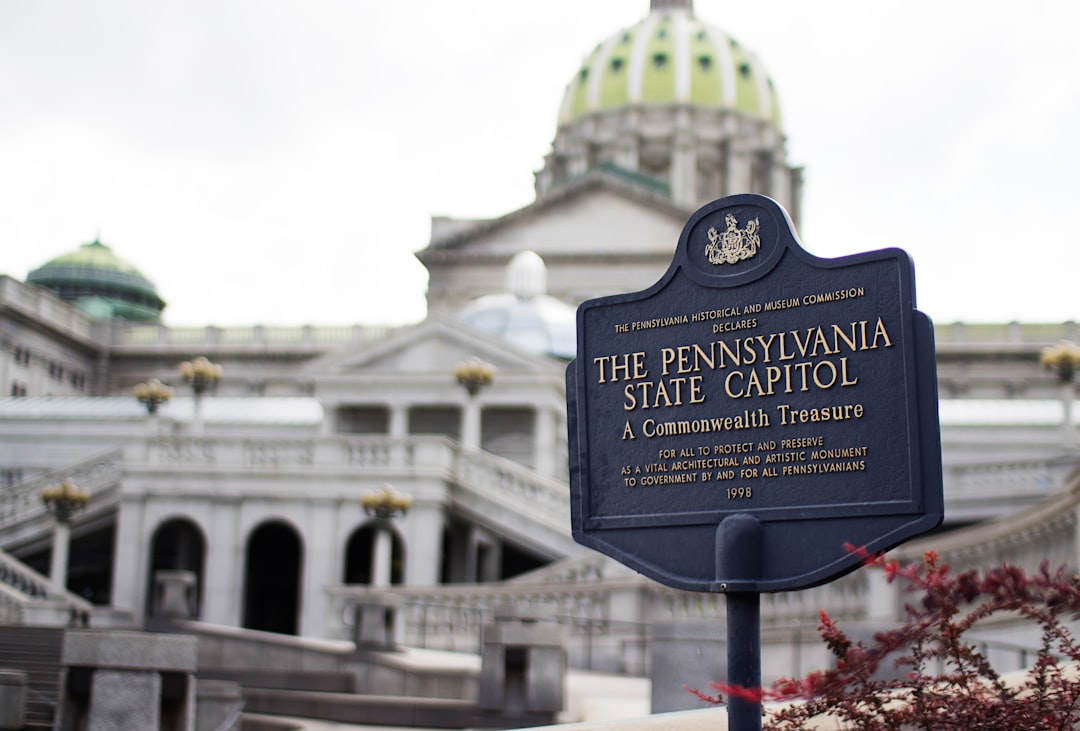
In the realm of telemarketing, compliance is not just a legal necessity; it's a strategic imperative for successful and sustainable operations. Scranton, Pennsylvania, with its vibrant business landscape, must approach compliance as a cornerstone of their outreach efforts. One of the most effective strategies is to establish clear call protocols that respect consumer rights. A Do Not Call Lawyer Pennsylvania emphasizes the significance of adhering to federal and state guidelines, such as the Telephone Consumer Protection Act (TCPA), which restricts unsolicited calls. For instance, businesses should implement a robust opt-out mechanism during each interaction, allowing prospects to register their preference not to receive future calls. This simple yet powerful step can significantly reduce legal and reputational risks.
Compliance shouldn't be a one-time event; it requires ongoing refinement based on call analytics and customer feedback. For instance, analyzing call recordings for compliance adherence is a best practice. It allows businesses to identify areas where agents might unintentionally violate regulations, such as failing to obtain verbal consent or making calls after being informed the consumer is not interested. By regularly reviewing call data, companies can train their teams effectively and ensure every interaction aligns with legal standards. Additionally, staying updated on evolving regulations and industry best practices ensures Scranton-based telemarketing firms remain compliant in a dynamic market.
Another vital strategy involves personalizing calls while maintaining compliance. Consumers appreciate tailored interactions that show respect for their preferences and privacy. For example, using customer data to address them by name during the call can enhance the experience without infringing on any legal boundaries. Moreover, providing clear and concise information about the purpose of the call, the company's identity, and how to opt out helps foster trust and reduces consumer complaints. Regular training sessions that emphasize compliance ethics and best practices can instill a culture of responsibility within the telemarketing team. These strategies not only ensure legal adherence but also contribute to building a positive brand image in Scranton and beyond.
Handling Complaints and Avoiding Legal Pitfalls

In the dynamic landscape of telemarketing, compliance is not just a best practice—it's an imperative. Scranton, Pennsylvania, like many urban centers, hosts a vibrant business community where non-compliance can lead to legal pitfalls. Handling complaints effectively is a cornerstone of successful telemarketing operations in this region. Do Not Call Lawyer Pennsylvania has observed that many violations stem from simple misunderstandings or a lack of awareness about consumer rights. For instance, misidentifying the nature of a call as promotional rather than informational can trigger penalties. Companies must educate their staff extensively on current regulations, such as the Telephone Consumer Protection Act (TCPA), to avoid such mistakes.
A robust complaint-handling mechanism is pivotal in mitigating legal risks. Businesses should implement clear protocols for receiving and addressing complaints, ensuring every interaction with a consumer is documented meticulously. Prompt response times are crucial; according to a recent study, 71% of consumers expect companies to respond within a week. A well-structured system could involve assigning dedicated personnel to review and escalate complaints, providing a direct line of communication for consumers to express their concerns. For example, offering multiple feedback channels—email, phone hotline, online form—enables consumers to choose their preferred method, enhancing satisfaction rates.
Moreover, proactive measures can significantly reduce the risk of legal action. Regular training sessions on compliance, led by experts or Do Not Call Lawyer Pennsylvania, can keep staff apprised of evolving regulations and best practices. Reviewing call recordings for adherence to guidelines is another powerful tool. By fostering a culture of compliance, companies can create a robust defense against complaints, avoiding costly legal battles and maintaining consumer trust.